


Home Remodeling Tax Credits 2024 | Maximize Your Savings Efforts
What Are Home Remodeling Tax Credits and Why Should You Care?
If you've ever considered sprucing up your living space, you might have wondered about the financial implications. What if there was a way to turn your renovation expenses into a smart investment? Welcome to the enigmatic world of home remodeling tax credits. At first glance, they sound like a secret reserved for seasoned investors or industry insiders, but in reality, these credits are more accessible than you might think. They represent an opportunity to unlock hidden savings that can significantly offset the costs of transforming your property.
Imagine the possibilities—upgrading your kitchen, renovating your bathroom, or giving your entire home a facelift—without feeling the full financial burden. That's the power of understanding these tax incentive programs. But why are they shrouded in mystery? And how can you illuminate your path to generous savings? Let’s explore the clues that uncover this secret treasure trove of financial benefits.
How Do Home Remodeling Tax Credits Work?
To demystify the concept, consider tax credits as direct reductions to your tax liability. Unlike deductions, which subtract a certain amount from your taxable income, home remodeling tax credits directly reduce the taxes you owe government agencies. These credits are often linked with specific types of improvements, aimed at making properties more energy-efficient, accessible, or environmentally friendly.
For instance, investing in sustainable upgrades, such as solar panel installations or energy-efficient windows, can qualify for federal incentives. Similarly, renovations that improve the safety and accessibility of your home, like installing wheelchair ramps or stairlifts, might be eligible for state or local programs.
The key to unlocking these benefits lies in understanding the rules, requirements, and timing of claiming such credits. Stay alert—these programs can vary based on location, project type, and current policy priorities, making the process feel like solving a complicated puzzle. But with the right knowledge, you can piece together a strategy that maximizes your savings.
Are There Specific Types of Home Renovations That Qualify for Tax Credits?
What kinds of renovations qualify for home remodeling tax credits?
The scope of qualifying projects can be surprisingly broad. Common improvements include:
Energy-efficient upgrades such as solar panels, energy-saving HVAC systems, or high-performance insulation.
Accessibility renovations, including ramps, lifts, or widened doorways for aging-in-place or accommodating disabilities.
Water conservation enhancements like low-flow toilets and smart irrigation systems.
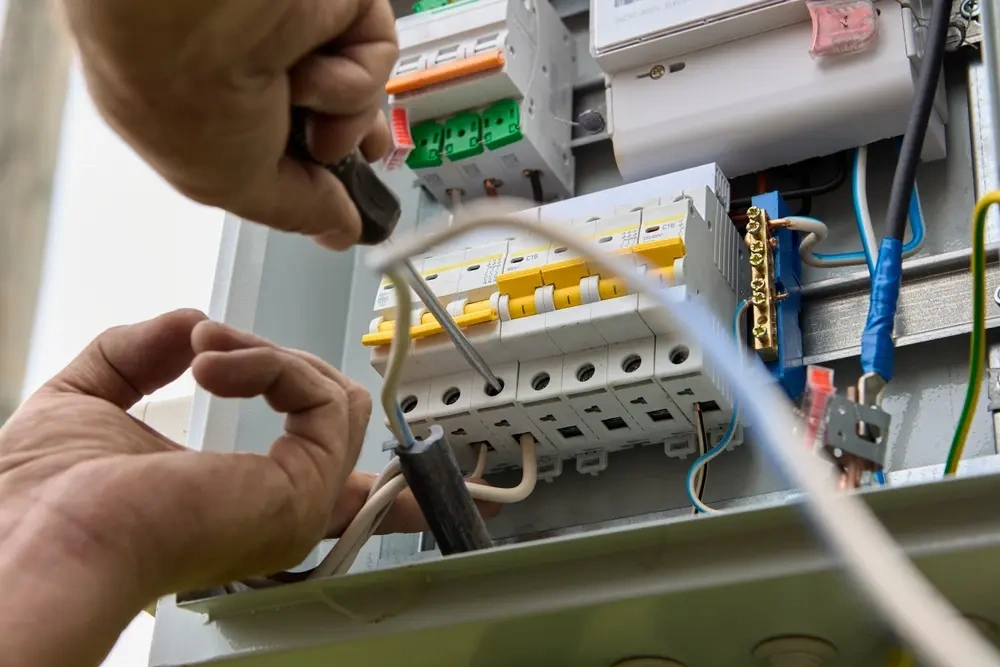
Repairs that meet certain safety standards, such as upgrading electrical wiring or installing fire suppression systems.
If you're exploring options for cost-effective upgrades, consider browsing specialized resources like [home remodeling descriptions](https://developyourestate.com/post/home-remodeling-description) that can help you identify eligible projects. Additionally, there's a growing trend in [black-and-white bathroom design](https://developyourestate.com/post/black-and-white-bathroom-design-trends), showcasing how aesthetic updates can also qualify for eco-friendly and accessibility incentives.
How Can You Find Out If Your Home Remodel Is Eligible for Tax Credits?
What steps should you take to verify your renovation's eligibility?
The first move is research—local, state, and federal agencies frequently update qualifying criteria. Start by consulting official government websites or speaking with a knowledgeable tax advisor. Many programs require proper documentation and compliance with specific standards, so detailed planning is essential.
Engaging with experienced professionals can streamline the process. For example, property developers or contractors specializing in green or accessible renovations often have insights into current incentives and can guide you on eligible projects.
It's also wise to keep a comprehensive record of all renovation expenses, including materials, labor, permits, and receipts. These documents serve as proof when claiming your credits or deductions during tax season.
Can You Claim Multiple Home Remodeling Tax Credits? How Does That Work?
Is it possible to benefit from more than one tax credit for a single project?
Depending on your location and project scope, you may be eligible for multiple credits. For instance, upgrading your kitchen with energy-efficient appliances while also improving accessibility can potentially qualify for both federal and local incentives. The key is understanding the rules—some credits can be stacked, while others might necessitate exclusive claims.
Consulting with professionals familiar with current policies, like those at Estate Developers LLC, can help you develop a comprehensive strategy to maximize returns across various projects. Remember, careful documentation and adherence to application procedures are essential to successfully claim multiple benefits.
What Are Common Pitfalls That Could Prevent You From Claiming Home Remodeling Tax Credits?
What mistakes should you avoid to ensure you don’t miss out on these benefits?
One of the biggest mistakes is failing to verify eligibility beforehand. Sometimes, homeowners undertake renovations without confirming if they meet program criteria, risking denial or delays. Another common pitfall is poor record-keeping—never underestimate the importance of detailed invoices, permits, and before-and-after photographs.
Additionally, ignorance of deadlines can disqualify your claims. Tax credits often have specific application windows or retroactive periods. Staying informed and working with qualified professionals can help you avoid these issues and ensure that you receive your rightful benefits.
To gain a clearer understanding of what you can expect from your project, explore detailed descriptions of various renovations at [Home Remodeling Description](https://developyourestate.com/post/home-remodeling-description). It can help you identify eligible improvements aligned with current tax incentive opportunities.
How Do You Maximize Savings While Staying Within the Law?
What strategies can you implement to optimize your benefits while complying with all regulations?
The answer lies in meticulous planning. Work with experienced contractors who understand the ins and outs of tax credit requirements and stay updated on policy changes. Integrate eligible upgrades into your renovation plan from the start.
Consider bundling improvements to qualify for different programs simultaneously. For example, combining a kitchen upgrade with sustainable lighting and water-saving fixtures could unlock multiple incentives. Being proactive about researching programs specific to your locality enhances your chances of maximizing savings.
Further, consult resources like [local bathroom renovation packages](https://developyourestate.com/post/local-bathroom-renovation-packages-hyattsville-maryland) to gauge what’s achievable within your budget and eligibility criteria.
How Can Professional Assistance Help You Unlock the Full Potential of Home Remodeling Tax Credits?
Why should you consider hiring experts to guide you through this process?
Professional developers and tax advisors bring valuable experience, helping you identify opportunities you might overlook. They can assist with regulations, paperwork, and strategic project planning to ensure you meet all criteria for maximizing your savings.
Partnering with a reliable company like Estate Developers LLC ensures your renovation plans are aligned with current incentives, reducing the risk of errors or missed opportunities. Their expertise streamlines the process and gives you peace of mind as you unlock hidden financial benefits.
Frequently Asked Questions (FAQs)
What are the most common questions homeowners ask about home remodeling tax credits?
Can I apply for multiple tax credits for different parts of my home remodel?
Yes, often you can, provided each upgrade or project meets the specific requirements of each program. Careful planning and documentation are key to successfully claiming multiple credits.
How long does it typically take to see benefits from claiming these credits?
Processing times vary based on local, state, and federal agencies. Generally, it may take several weeks to a few months after submission to see the impact on your tax return.
Are home remodeling tax credits available for rental properties?
Many incentives focus on owner-occupied homes, but some programs do offer benefits for rental property improvements, especially those related to energy efficiency and accessibility. Consult local guidelines or a tax professional for specific details.
Is it necessary to hire a specialist to qualify for home remodeling tax credits?
While not always mandatory, working with specialists can significantly increase your chances of qualifying. Experts help ensure compliance with all requirements and assist with documentation and claim procedures.
Conclusion: The Secret to Saving Big on Home Renovations
The world of home remodeling tax credits is filled with hidden opportunities waiting for savvy homeowners to uncover. By understanding the types of projects that qualify, staying ahead of policy changes, and partnering with knowledgeable professionals like Estate Developers LLC, you can turn your renovation dreams into a rewarding financial strategy. Don’t let this mystery remain unsolved—dive deep, explore your options, and unlock the full potential of your home upgrade budget.
Remember, every dollar saved is a step closer to the home you've always wanted—without the hefty price tag. The secret is yours to embrace.